The critics were busy at this year’s Toronto International Film Festival! From our annual pre-festival party, this year held at Hotel Le Germain Toronto Mercer and generously sponsored by Redbreast Whiskey, to scurrying from screening to screening, our members can attest that TIFF was in full swing. This year again held an abundance of riches, […]
Cannes 2026: A Personal View from the Croisette
May 25, 2026
By Jason Gorber
My life was changed when I attended the Cannes Film Festival for the first time in 1996. Back then, I was a French language student attending school in Aix-en-Provence. I had a professor who taught an optional film studies class, and as a benefit for taking her survey of nouvelle vague classics, she was going to bring a bunch of us to the Croisette to get a taste of the magical event. (I often say I didn’t learn French during my year abroad, but I learned France.)
I arrived in Cannes with a hotel room, a tuxedo I purchased at a thrift shop in Kingston, and no accreditation confirmation. After some finagling, I ended up being able to attend what to this day remain some of the most memorable films, both positive and negative, that I’ve seen at the festival.
The entire cinematic world was, of course, wildly different three decades ago. There were no streaming services (internet as we know it had barely cracked France, given their pioneering Minitel obviating the need for dial-up access), and even DVDs were a year away from their launch. There was a palpable feeling that films were both more impressive and more ephemeral, that for many of these titles, seeing them projected on the giant canvas of the palais may be the one and only time to experience something this fantastical.
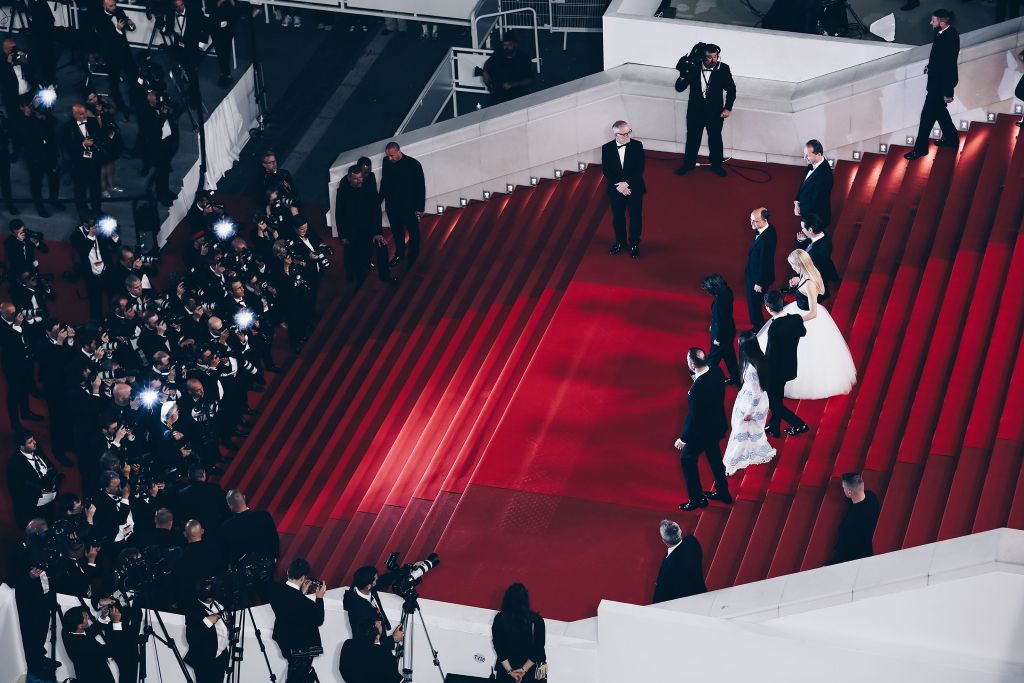
Cronenberg’s Crash. The Coens’ Fargo. Boyle’s Trainspotting. Sayles’ Lone Star. Paul Thomas Anderson premiered Hard Eight, too. I didn’t see it there, but I did catch Mary Herron’s seminal I Shot Andy Warhol. My most memorable screening was sitting in the director’s row of the Grand Palais for Lars Von Trier’s Breaking the Waves, stunned at the film itself, amazed that patrons were standing and giving standing ovations during the film, as the likes of David Bowie, Deep Purple, and Elton John music played during the chapter breaks.
There was dreck too – Sunchaser, the career ending film from Michael Cimino, is still seared in my mind, and I haven’t had the stomach to revisit films like Anjelica Huston’s maudlin molestation melodrama Bastard Out of Carolina, Spike Lee’s risible phone sex romp Girl 6, or Robert Altman’s misfiring jazz film Kansas City.
I had never experienced such highs and lows in one short period, and the city itself practically exploded with patrons and hangers-on alike.
I saw plenty of movie stars, but perhaps the most exciting was my first encounter with Roger Ebert, whose Cannes coverage had really been a window for me into this world. I even first met the Maclean’s correspondent Brian Johnson, the closest we came in those days to a celebrity film journo out of this country, and encountered a number of other Canadian filmmakers, programmers, and journalists for the first time.
This mix of glamour and sleaze, high-art accomplishment and nightmarishly awful films, changed me in significant ways.
Over the next dozen festivals since my return to Cannes in 2014 there have been hundreds of excellent films to entice a pilgrimage to Cannes, a place that now feels very much like a second home every time I walk its streets. Some of my favourite places have gone by the wayside, while others continue their tradition, from pizza by the harbour to a late night meal of gnocchi on Rue Hoche. But it’s the film’s that are there to fully nourish, and in good years and bad, there’s always been something well worth celebrating.
That said, in terms of selection, 2026 may in fact be the worst I’ve ever attended.
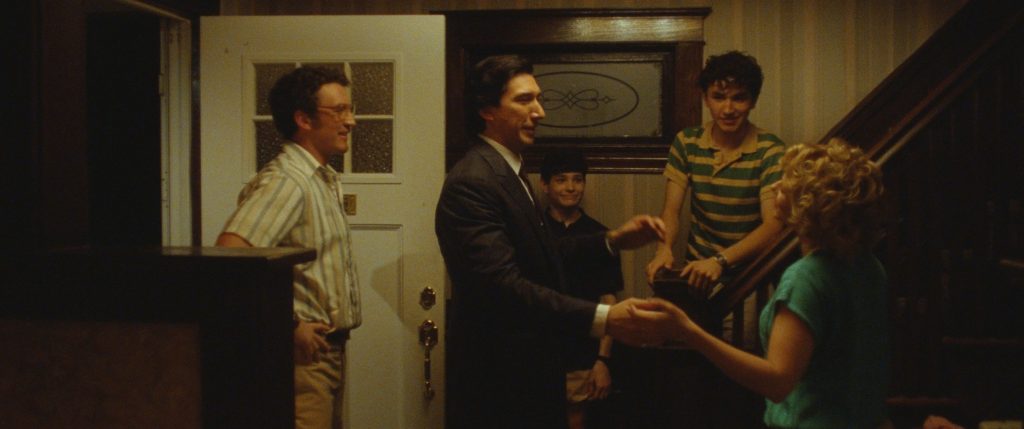
This is not to say there aren’t some very good films. It’s simply that in contrast to other years where the highs were higher, it’s hard not to see this year’s slate as disappointing.
For one, there really was an absence of the kind of global star power that the festival often attracts. The cynical reader may pass this off as simply appeasing the generalist fan, but the fact remains that from its very inception, Cannes was a blend of Hollywood glamour and European art-film celebration. The former was almost entirely absent this year, instead focussing on a number of filmmakers beloved on the festival circuit but with relatively little draw outside the arthouse bubble.
Yes, Hollywood A-listers like Scarlett Johansson, Sebastian Stan, and Adam Driver have legions of fans around the world, as do directors with names like Hamaguchi, Mungiu, Schoenbrun, and Pawlikowski, but this year seemed to lack the level of attention often afforded to the event when it offers a more diverse mix of titles designed for cinematic salons alongside multiplex staples.
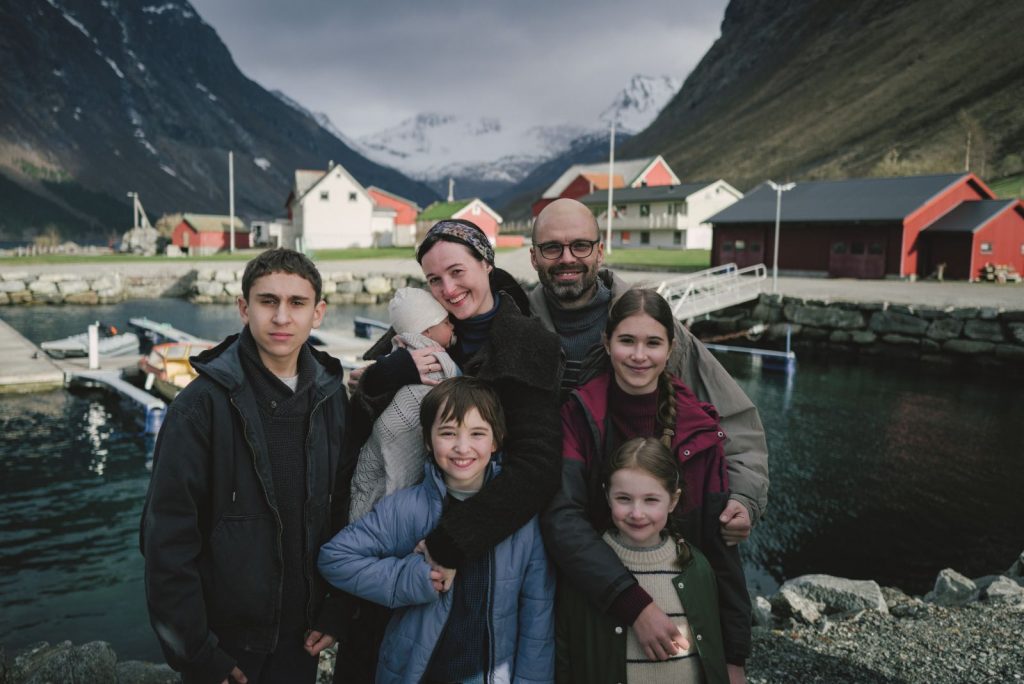
Palme winner Fjord was about as high profile a title as any, and thanks to Neon’s now peerless power to will its titles to gain the top prize, it will get plenty of chances to be seen widely. (The win marks the seventh consecutive Palme d’Or for the U.S. distributor.) The film is strong, with Stan, Cannes icon Renate Reinsve, and the rest of the ensemble navigating well two-time winner Mungiu’s morally complicated tale exploring the limits of liberalism within a small town Norwegian setting. A friend found it too redolent of Anatomy of a Fall with its courtroom antics, but if anything, its somewhat nihilistic messaging echoes last year’s Eddington by Ari Aster. The chilly, Bergmanesque setting of Mungiu’s tale will be far more palatable for many, while Aster’s more bombastic formal style and American setting makes the conflation of right and left wing excesses is a tougher pill to swallow.
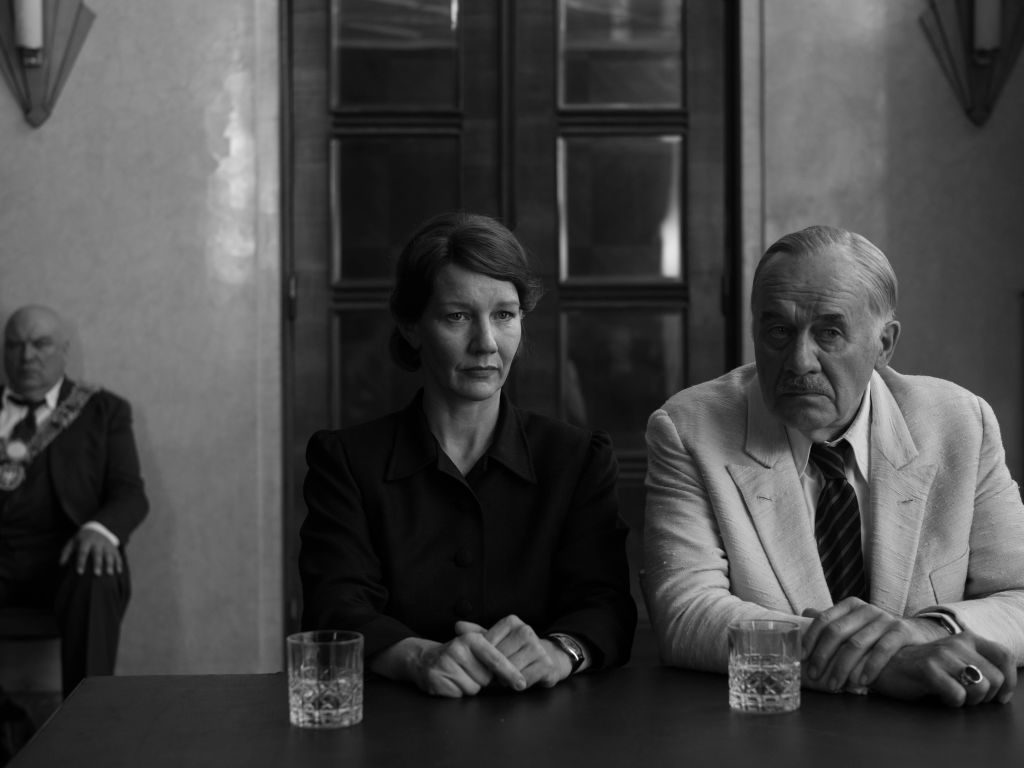
Paweł Pawlikowski’s Fatherland deservedly took home one of the director prizes, and his bemusement at the awards ceremony as how poor the live production mise-en-scene was, with him having to borrow the trophy from his fellow winners for The Black Ball, provided a nice bit of sardonic humour to the celebration. The film itself is bold and literary, a taught fictionalization of Thomas Mann’s post-war return to a divided Germany. Sandra Hüller once again delights even as many of the questions at the presser surrounded the Oscar nominee’s recent turn in the blockbuster Project Hail Mary.
The two main leads of Ryusuke Hamaguchi’s gentle All of a Sudden, a rapid-sounding title made ironic given its three-hour and sixteen-minute running time, were welcome winners, though many felt disappointed the film didn’t take the top prize. Virginie Efira, who appeared in a pair of films at this year’s fest, suffers from a bit of a backlash from some French critics who still think of her as merely the former M6 TV host, making her award a particularly gratifying way of silencing some of those naysayers. With its touching storyline, a blend of Japanese and French storytelling devices, expect many cinephiles to champion this film during its inevitable festival circuit run right through to next year’s Oscars.

The one film where I felt that electric sense of discovery was actually Kyoshi Kurosawa’s romp The Samurai and the Prisoner. Its delicious genre blend, mixing the whodunnit nature of Clue with Akira Kurosawa’s legacy of chanbara classics, was certainly among the most fun screenings to attend.
Minotaur, Andrey Zvyagintsev’s remake of a Chabrol classic, deftly weaves a family drama into the bleak machinations of a land at war. The implications of tying infidelity and revenge to the Russo/Ukrainian conflict is a bold choice, but, while by no means a perfect film, there’s still plenty to applaud about its audacity to even make that imaginative leap.
So many other titles both in and out of competition fell flat, or, worse, were simply “fine.” These films were forgettable at best and time wasting at worst. No film irritated more than James Gray’s soggy Paper Tiger (the full rant about its failings found here), and my extremely low expectations for Asghar Farhadi’s latest film, Parallel Lives, saved me from sharing the crushing sense of disappointment felt many of my colleagues. I didn’t hate Jeanne Herry’s Garance, but save for a strong performance, it all felt a little silly. Valeska Grisebach’s The Dreamed Adventure may have taken home a prize, but I was there to witness half the audience bail, with the only applause tepidly coming from the cast and crew itself at the end of the mid-day premiere. Pedro Almodóvar’s Bitter Christmas was just ridiculously masturbatory, and despite a full hour of brilliant carnage in the opening act, Na-Hong Jin’s Hope ended up being hopelessly terrible.

Take any of the films, award winners or not, and contrast them to my last decades of attendance, and they do not hold up well. Time may be kind to a number of this year’s selections, but the fact remained that this was not a year with truly electric discoveries, and even titles that I missed (Club Kid the most obvious) hardly seem to even approach the likes of, say, last year’s Pillion, The Plague, or Sirāt, or any of the half-dozen selections that gave off that sense of wonder that Cannes had traditionally engendered.
Is this middling year a reflection of a changing cinematic landscape? Does the Netflixification of it all mean that the centre of gravity truly has shifted to Venice, where the likes of Dune 3, The Adventures of Cliff Booth, Here Comes the Flood, Digger, Bucking Fastard, Wild Horse Nine, etc. etc. are likely to be screened, all with anticipation higher than just about anything that bowed this year? Who knows how these titles will play out, and Cannes can only select from what’s available, but this year certainly evokes a sense that a shift is taking place.
The Croisette this year was busy, but not buzzing. No giant posters lined the street, and even the number of people there to gaze at guests ascending the red carpet seemed reduced. If this festival is meant to be the home of cinematic glamour, Cannes’ brilliance seemed somewhat tarnished this year.
Yes, there were still films to cherish and experience, and the festival’s legacy remains untroubled by one errant year. But when the best film played a two-decade old title called Pan’s Labyrinth that showed on opening day exactly the kind of electric originality, genre-bending, and sumptuous filmmaking that was largely absent this year, it may be worthwhile for a festival that famously gives out some golden leaves to not simply rest upon its laurels. May Cannes long continue, and I for one hope to be trekking to France for decades to take in this remarkable event, to nosh on amazing food, to debate films with dear friends, and to engage in that endless quest for magical moments where a true sense of discovery is experienced in the darkened theatre.
Festival headwinds aren’t easy to navigate, and one need only look at how TIFF’s stature has been diminished to know that no festival can rest simply on past success, no matter how much I adore the Classics selection. (All hail Devils!) More people are shying away from theatrical projects, looking to other modes to feed their visual addictions, calling into question the very sustainability of cinema as a massively popular artform. We will see how the festival will evolve, and whether it can maintain its position as the most important film festival on the planet.
If anyone can, Cannes can.